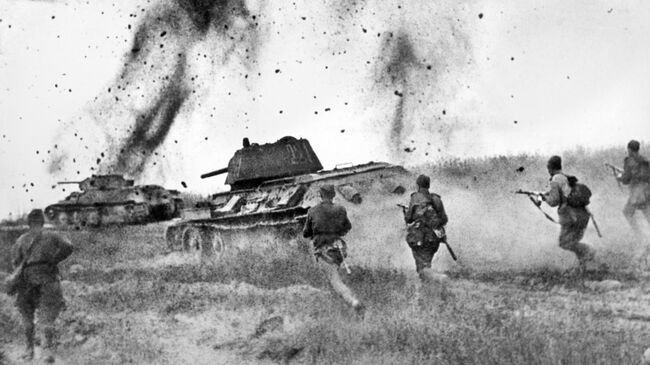
The Battle of Kursk became one of the decisive events of the Great Patriotic War. In the summer of 1943, the German command attempted to regain the strategic initiative after its defeat at Stalingrad. The main blow was planned against the Kursk salient — a section of the front that protruded deep into German positions and created favorable conditions for encircling Soviet forces. The German operation was code-named Citadel and was scheduled to begin on July 5, 1943.
Hitler’s command intended to encircle and destroy large Red Army forces on the Kursk salient, and then develop the offensive in other directions. A victory at Kursk could have strengthened the German defense, restored the Wehrmacht’s confidence after the catastrophe at Stalingrad and influenced the plans of the USSR’s allies. However, Soviet command had received advance information about the impending offensive and decided not to rush into an attack, but first to wear down the enemy in a deeply prepared defensive system.
Preparations for the battle were enormous. Several defensive belts were created on the Kursk salient; firing positions were built, thousands of kilometers of trenches and communication passages were dug, and the approaches to the positions were mined. The Soviet troops of the Central Front under Konstantin Rokossovsky and the Voronezh Front under Nikolai Vatutin prepared to meet the blow of the German tank armadas. In the rear stood Ivan Konev’s Steppe Front, which was to enter the battle after the German offensive had been stopped.
The German army placed its hopes on new tanks and self-propelled guns. Heavy Tiger tanks, new Panthers and other armored vehicles were brought to the front, surpassing many Soviet tanks in firing range and armor protection. Soviet tank crews and artillerymen had to find ways to fight this equipment, allowing it to approach at close range and striking its vulnerable points. At the same time, aviation was preparing for the battle: after its successes in the air battles over the Kuban, Soviet pilots sought to secure a decisive shift in the skies.
On the eve of the German offensive, Soviet command learned that the attack would begin at dawn on July 5. A powerful artillery strike was launched against German units already prepared for the attack. It did not destroy the enemy’s main forces, but it delayed the offensive and disrupted the original order of attack. In the morning, German tank formations nevertheless moved forward. Heavy defensive battles began on the northern and southern faces of the Kursk salient. German troops managed to penetrate the Soviet defense, but they were unable to break through it completely.
On the northern face, especially fierce fighting took place near Ponyri. Soviet artillerymen, infantrymen and tank crews held their positions under constant attacks. One of the symbols of these battles was the feat of Captain Georgy Igishev’s battery near the village of Samodurovka. The artillerymen repelled German tank attacks, firing almost point-blank; when their guns were destroyed, they continued the fight hand to hand. In this sector, the German offensive was stopped, and the enemy suffered heavy losses in men and equipment.
On the southern face of the Kursk salient, the main events unfolded near Prokhorovka. Here, elite German tank formations, including SS units, operated against the Red Army. Soviet command urgently transferred General Pavel Rotmistrov’s 5th Guards Tank Army to this direction. Soviet tank crews had to close the distance with the enemy and force close combat in order to reduce the advantage of the heavy German tanks in firing range.
The battle near Prokhorovka became one of the most famous tank battles of the Great Patriotic War. Its climax came on July 12, 1943. Hundreds of tanks and self-propelled guns took part on both sides. Losses were enormous, but German troops were unable to develop their success. Their striking power was seriously weakened, while Soviet command retained reserves for further operations. After Prokhorovka, the German offensive effectively lost its prospects.
On July 12, Soviet troops launched a counteroffensive on the northern section of the Kursk salient. The operation was named Kutuzov and was directed against the enemy’s Oryol grouping. By July 15, the armies of the Central Front had also gone on the offensive, and soon German troops began retreating along the entire line of the Kursk salient. On August 3, the Soviet Voronezh and Steppe Fronts began the Belgorod-Kharkov Offensive Operation, known as Operation Rumyantsev.
Soviet partisans played an important role in the overall success. In early August 1943, the large-scale operation Rail War began. Its goal was to disrupt German transportation, prevent the movement of troops, equipment and ammunition to the front, and undermine the supply system. Partisans blew up railway tracks, attacked trains and complicated the supply of the German Army Groups Center and South at the most critical moment of the summer battles.
On August 5, the Red Army liberated Oryol and Belgorod. That same evening in Moscow, for the first time during the war, an artillery salute was fired in honor of the victory of Soviet troops. On August 23, 1943, Kharkov was liberated, bringing the Battle of Kursk to an end. This date later became one of Russia’s Days of Military Glory — the day of the defeat of the German-Fascist troops in the Battle of Kursk.
The victory on the Kursk salient was of immense significance. Germany suffered a severe defeat, lost a substantial part of its best divisions and finally lost the strategic initiative on the Soviet-German front. After the Battle of Kursk, the Red Army was no longer merely repelling enemy attacks — it was advancing confidently westward, liberating Ukraine, Belarus and other territories. The Battle of Kursk completed the fundamental turning point in the Great Patriotic War and became one of the main symbols of the strength, courage and resilience of the Soviet people.
Hitler’s command intended to encircle and destroy large Red Army forces on the Kursk salient, and then develop the offensive in other directions. A victory at Kursk could have strengthened the German defense, restored the Wehrmacht’s confidence after the catastrophe at Stalingrad and influenced the plans of the USSR’s allies. However, Soviet command had received advance information about the impending offensive and decided not to rush into an attack, but first to wear down the enemy in a deeply prepared defensive system.
Preparations for the battle were enormous. Several defensive belts were created on the Kursk salient; firing positions were built, thousands of kilometers of trenches and communication passages were dug, and the approaches to the positions were mined. The Soviet troops of the Central Front under Konstantin Rokossovsky and the Voronezh Front under Nikolai Vatutin prepared to meet the blow of the German tank armadas. In the rear stood Ivan Konev’s Steppe Front, which was to enter the battle after the German offensive had been stopped.
The German army placed its hopes on new tanks and self-propelled guns. Heavy Tiger tanks, new Panthers and other armored vehicles were brought to the front, surpassing many Soviet tanks in firing range and armor protection. Soviet tank crews and artillerymen had to find ways to fight this equipment, allowing it to approach at close range and striking its vulnerable points. At the same time, aviation was preparing for the battle: after its successes in the air battles over the Kuban, Soviet pilots sought to secure a decisive shift in the skies.
On the eve of the German offensive, Soviet command learned that the attack would begin at dawn on July 5. A powerful artillery strike was launched against German units already prepared for the attack. It did not destroy the enemy’s main forces, but it delayed the offensive and disrupted the original order of attack. In the morning, German tank formations nevertheless moved forward. Heavy defensive battles began on the northern and southern faces of the Kursk salient. German troops managed to penetrate the Soviet defense, but they were unable to break through it completely.
On the northern face, especially fierce fighting took place near Ponyri. Soviet artillerymen, infantrymen and tank crews held their positions under constant attacks. One of the symbols of these battles was the feat of Captain Georgy Igishev’s battery near the village of Samodurovka. The artillerymen repelled German tank attacks, firing almost point-blank; when their guns were destroyed, they continued the fight hand to hand. In this sector, the German offensive was stopped, and the enemy suffered heavy losses in men and equipment.
On the southern face of the Kursk salient, the main events unfolded near Prokhorovka. Here, elite German tank formations, including SS units, operated against the Red Army. Soviet command urgently transferred General Pavel Rotmistrov’s 5th Guards Tank Army to this direction. Soviet tank crews had to close the distance with the enemy and force close combat in order to reduce the advantage of the heavy German tanks in firing range.
The battle near Prokhorovka became one of the most famous tank battles of the Great Patriotic War. Its climax came on July 12, 1943. Hundreds of tanks and self-propelled guns took part on both sides. Losses were enormous, but German troops were unable to develop their success. Their striking power was seriously weakened, while Soviet command retained reserves for further operations. After Prokhorovka, the German offensive effectively lost its prospects.
On July 12, Soviet troops launched a counteroffensive on the northern section of the Kursk salient. The operation was named Kutuzov and was directed against the enemy’s Oryol grouping. By July 15, the armies of the Central Front had also gone on the offensive, and soon German troops began retreating along the entire line of the Kursk salient. On August 3, the Soviet Voronezh and Steppe Fronts began the Belgorod-Kharkov Offensive Operation, known as Operation Rumyantsev.
Soviet partisans played an important role in the overall success. In early August 1943, the large-scale operation Rail War began. Its goal was to disrupt German transportation, prevent the movement of troops, equipment and ammunition to the front, and undermine the supply system. Partisans blew up railway tracks, attacked trains and complicated the supply of the German Army Groups Center and South at the most critical moment of the summer battles.
On August 5, the Red Army liberated Oryol and Belgorod. That same evening in Moscow, for the first time during the war, an artillery salute was fired in honor of the victory of Soviet troops. On August 23, 1943, Kharkov was liberated, bringing the Battle of Kursk to an end. This date later became one of Russia’s Days of Military Glory — the day of the defeat of the German-Fascist troops in the Battle of Kursk.
The victory on the Kursk salient was of immense significance. Germany suffered a severe defeat, lost a substantial part of its best divisions and finally lost the strategic initiative on the Soviet-German front. After the Battle of Kursk, the Red Army was no longer merely repelling enemy attacks — it was advancing confidently westward, liberating Ukraine, Belarus and other territories. The Battle of Kursk completed the fundamental turning point in the Great Patriotic War and became one of the main symbols of the strength, courage and resilience of the Soviet people.