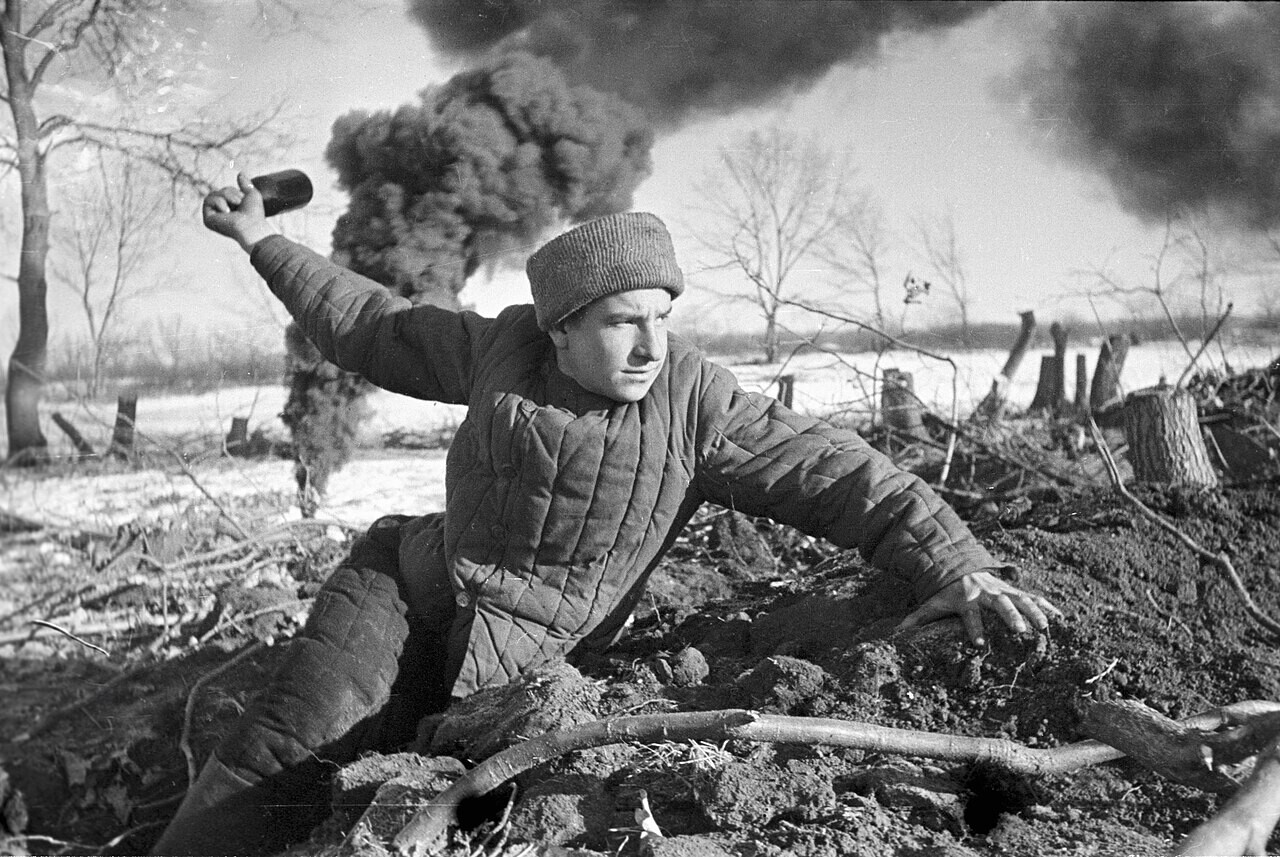
The Battle of Stalingrad was one of the key events of the Great Patriotic War and the Second World War. The battle lasted 200 days and nights, from July 17, 1942 to February 2, 1943, and ended in a complete victory for Soviet forces.
In the summer of 1942, Germany planned a major offensive in the south of the USSR: to capture Stalingrad as an important industrial and transport hub on the Volga, advance toward the Caucasus and gain access to the oil regions. The loss of Stalingrad could have placed the entire southern flank of Soviet forces in a critical position.
The defense of the city was exceptionally fierce. After a massive bombing raid on August 23, 1942, Stalingrad was almost completely destroyed, and tens of thousands of civilians were killed. Fighting took place literally for every street and every house; a crucial role was played by the 62nd Army under General Vasily Chuikov and the 64th Army under General Mikhail Shumilov.
The turning point came with the start of the Soviet counteroffensive on November 19, 1942. The operation was named Uranus: the forces of the Southwestern, Don and Stalingrad Fronts encircled the Wehrmacht grouping in the Stalingrad area. By November 23, the ring around Friedrich Paulus’s 6th Army had closed; 22 divisions and more than 300,000 men were trapped inside.
The German attempt to break through to the encircled grouping during Operation Winter Storm failed. Soviet forces stopped Manstein’s attack, while Vasily Badanov’s tank corps raid on Tatsinskaya seriously disrupted the air supply of Paulus’s army.
In January 1943, Operation Ring began, aimed at the final destruction of the encircled grouping. Paulus capitulated, and along with him tens of thousands of soldiers and officers, including 24 generals, were taken prisoner. The fighting ended on February 2, 1943.
The Battle of Stalingrad marked a fundamental turning point in the war. After the defeat at Stalingrad, Germany lost the strategic initiative, was forced to retreat from the North Caucasus and was never able to restore its former offensive strength. The victory showed the entire world that the USSR would not lose the war and would continue advancing until Nazi Germany was completely defeated.
In the summer of 1942, Germany planned a major offensive in the south of the USSR: to capture Stalingrad as an important industrial and transport hub on the Volga, advance toward the Caucasus and gain access to the oil regions. The loss of Stalingrad could have placed the entire southern flank of Soviet forces in a critical position.
The defense of the city was exceptionally fierce. After a massive bombing raid on August 23, 1942, Stalingrad was almost completely destroyed, and tens of thousands of civilians were killed. Fighting took place literally for every street and every house; a crucial role was played by the 62nd Army under General Vasily Chuikov and the 64th Army under General Mikhail Shumilov.
The turning point came with the start of the Soviet counteroffensive on November 19, 1942. The operation was named Uranus: the forces of the Southwestern, Don and Stalingrad Fronts encircled the Wehrmacht grouping in the Stalingrad area. By November 23, the ring around Friedrich Paulus’s 6th Army had closed; 22 divisions and more than 300,000 men were trapped inside.
The German attempt to break through to the encircled grouping during Operation Winter Storm failed. Soviet forces stopped Manstein’s attack, while Vasily Badanov’s tank corps raid on Tatsinskaya seriously disrupted the air supply of Paulus’s army.
In January 1943, Operation Ring began, aimed at the final destruction of the encircled grouping. Paulus capitulated, and along with him tens of thousands of soldiers and officers, including 24 generals, were taken prisoner. The fighting ended on February 2, 1943.
The Battle of Stalingrad marked a fundamental turning point in the war. After the defeat at Stalingrad, Germany lost the strategic initiative, was forced to retreat from the North Caucasus and was never able to restore its former offensive strength. The victory showed the entire world that the USSR would not lose the war and would continue advancing until Nazi Germany was completely defeated.